✍️ By the ChimelongOceanKingdom.com Team — Zhuhai theme-park writers and repeat visitors · 🗓️ Last updated: November 2026 · ⏱️ ~12 min read
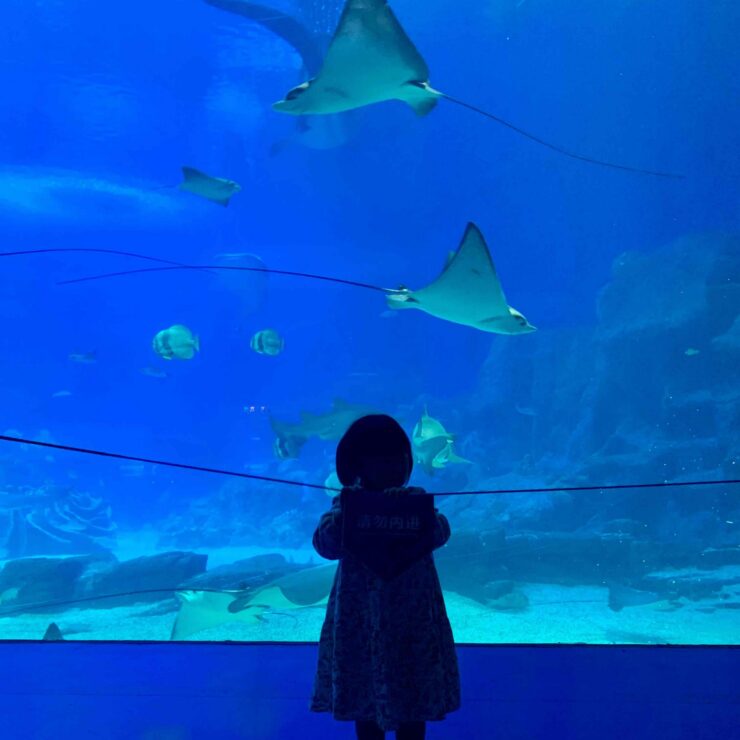
There is a moment in Polar Adventure at Chimelong Ocean Kingdom that every returning visitor knows: you step in from the subtropical heat, pass through the ice-blue gateway, and a wall of cold air rolls over you just as a penguin shoots past the glass like a small torpedo. After several visits in different seasons, we have come to think of this corner of the park as two attractions in one — a genuinely world-class set of polar animal habitats, and the most reliable cool-down zone on the property. Both reasons are equally valid, and both shape the advice below.
This guide walks the zone in the order we actually visit it: penguins first, polar bears second, belugas timed to a theatre show, then the three rides tucked between the halls. We will be honest about the cold, honest about which exhibit deserves the most time, and specific about the show times and queue habits that have worked for us. If you are still planning the wider trip, start with our ultimate guide to Chimelong Ocean Kingdom, then come back here for the detail — and the bare essentials such as live tickets and hours stay current on the main Chimelong Ocean Kingdom hub.
❄️ Where Polar Adventure Sits and How It Feels
Polar Adventure occupies the far side of the park’s loop, just beyond the Whale Shark Aquarium in Ocean Wonders and before the path bends toward Hero Island. That position matters for planning. It is roughly the halfway point of the circuit, the three animal halls sit close together with only short outdoor stretches between them, and the arctic theming spills over toward the walrus and sea lion habitats on the Mt. Walrus side. You can walk the whole zone properly in about ninety minutes if you are not stopping for a theatre show.
The feel is different from the rest of the park. Instead of palm trees and fountains you get ice-carved rockwork, deep blue light, and the echoing calls of penguins off hard surfaces. Because the headline halls are all indoors and aggressively air-conditioned, this zone doubles as the park’s best refuge during the hottest afternoon hours or a sudden subtropical downpour — a point our Whale Shark Aquarium guide makes about the neighbouring building too.
Budgeting time is where most first-timers go wrong. The zone looks compact on the map, but each hall pulls you in for longer than planned, the theatre eats forty minutes door to door if you time it well, and the rides add another forty-five with queues. We give Polar Adventure a two-to-three-hour block and schedule it so it overlaps with either the midday heat or a show we care about; squeezing it into a forty-minute dash between rides is technically possible and uniformly miserable.
🐧 The Penguin Exhibit: Emperors and Adélies in Their Hundreds
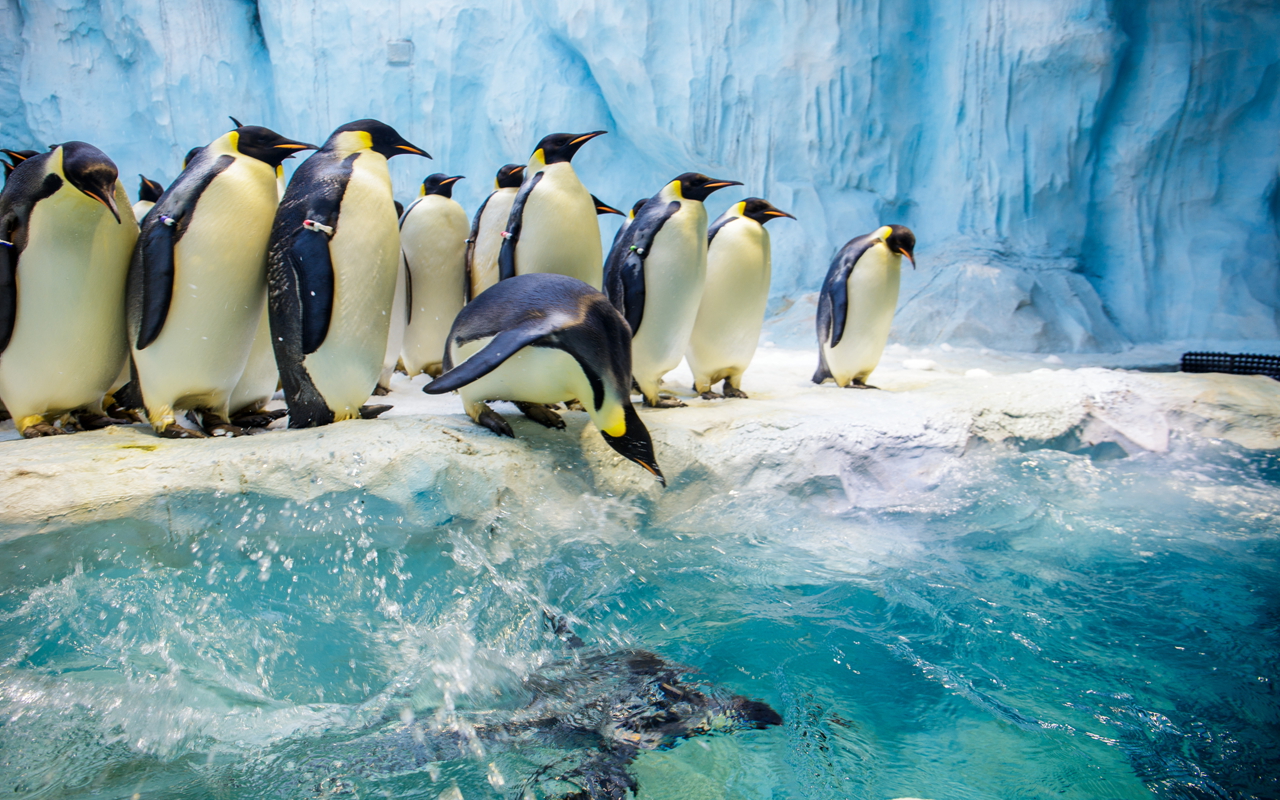
The Penguin Exhibit ranks among the largest penguin displays in the world, and it stars the two species most people picture when they hear the word penguin: stately emperor penguins and quick, scrappy Adélie penguins. The habitat wraps around you on multiple levels — birds porpoise past the underwater glass at eye level while others toboggan and squabble on the ice above — and the sunken viewing area is the single best photo spot in the zone.
Two honest notes from our visits. First, the hall is kept dim for the animals’ comfort, so phone cameras struggle, and flash is off-limits — the park-wide rules against flash photography, tapping the glass and feeding the animals are enforced politely but constantly. Second, the crowd pulses: the hall empties dramatically during theatre show times, so if you arrive shoulder-to-shoulder, step out, ride something, and circle back in forty minutes. Our dedicated Penguin Exhibit guide goes deeper on what to look for.
On photography: the shots that work are the underwater ones. Hold your phone lens flat against the glass to kill reflections, wait for a bird to swim rather than stand, and embrace the blue — the dim light that frustrates portraits is exactly what makes a penguin silhouetted against the tank look dramatic. Plan on deleting most of what you shoot and keeping one or two; that is a normal ratio in here, and no amount of gear buys you past the no-flash rule.
🐻❄️ The Polar Bear Exhibit: Patience Required
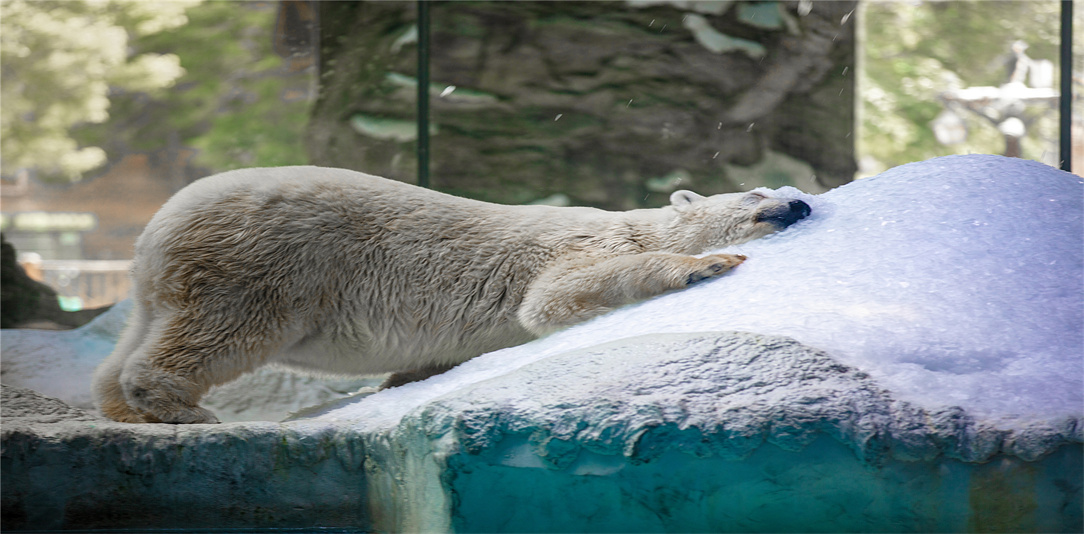
The Polar Bear Exhibit gives you the two views that matter: an above-water panorama of the bears’ yard, and an underwater window where a swimming bear passes overhead like a slow-moving submarine. When the animals are active — swimming, wrestling with enrichment, shaking off like dogs at the water’s edge — it is mesmerising, and our kids have happily spent half an hour here without noticing the time. Of the three halls it is also the quietest, with benches that invite you to wait out a nap rather than move on.
The honest trade-off is that polar bears sleep, a lot. Unlike the penguin hall, where something is always happening, the bear yard can go quiet for long stretches, and no published schedule tells you when the mood will strike. We treat this hall as a ten-minute visit on the way through; if the bears are napping, simply circle back later, because the hall rarely gets crowded and a second pass costs you little. Our Polar Bear Exhibit guide covers the details.
🐋 Belugas and the Beluga Theatre
The beluga habitat is the zone’s most graceful stop — white whales drifting like slow clouds behind a long, curved window. It shares its corner with the โรงละครเบลูกา, and this show is the one we plan the whole zone around. Recent typical schedules have run at 11:00, 14:00 and 17:45, but times shift with season, weather and crowd levels, so check the park app or the board outside the stadium on the day rather than trusting any printed list, ours included.
The production is an elegant, music-driven affair — less slapstick than the sea lion show, more soaring — and the shaded stadium doubles as a rest block on a hot day. If someone in your group wants more than a distant wave from a beluga, the park sells a Beluga Encounter: an extra-cost, book-ahead session that typically starts around 15:00, runs about twenty to thirty minutes, and welcomes guests from age five, with children aged five to twelve joined by one accompanying parent free of charge. It is genuinely memorable; whether it justifies the price depends on your budget and your child’s level of beluga devotion. Our Beluga Theatre guide covers the show in depth, and the shows and fireworks guide slots it into the wider park day.

💡 Tip: aim for the 14:00 beluga show and spend the 13:00 hour in the penguin hall. You will see both at their emptiest and walk into the stadium relaxed instead of sprinting.
🎢 The Zone’s Three Rides: Polar Explorer, Penguin Coaster and Polar Go-Round
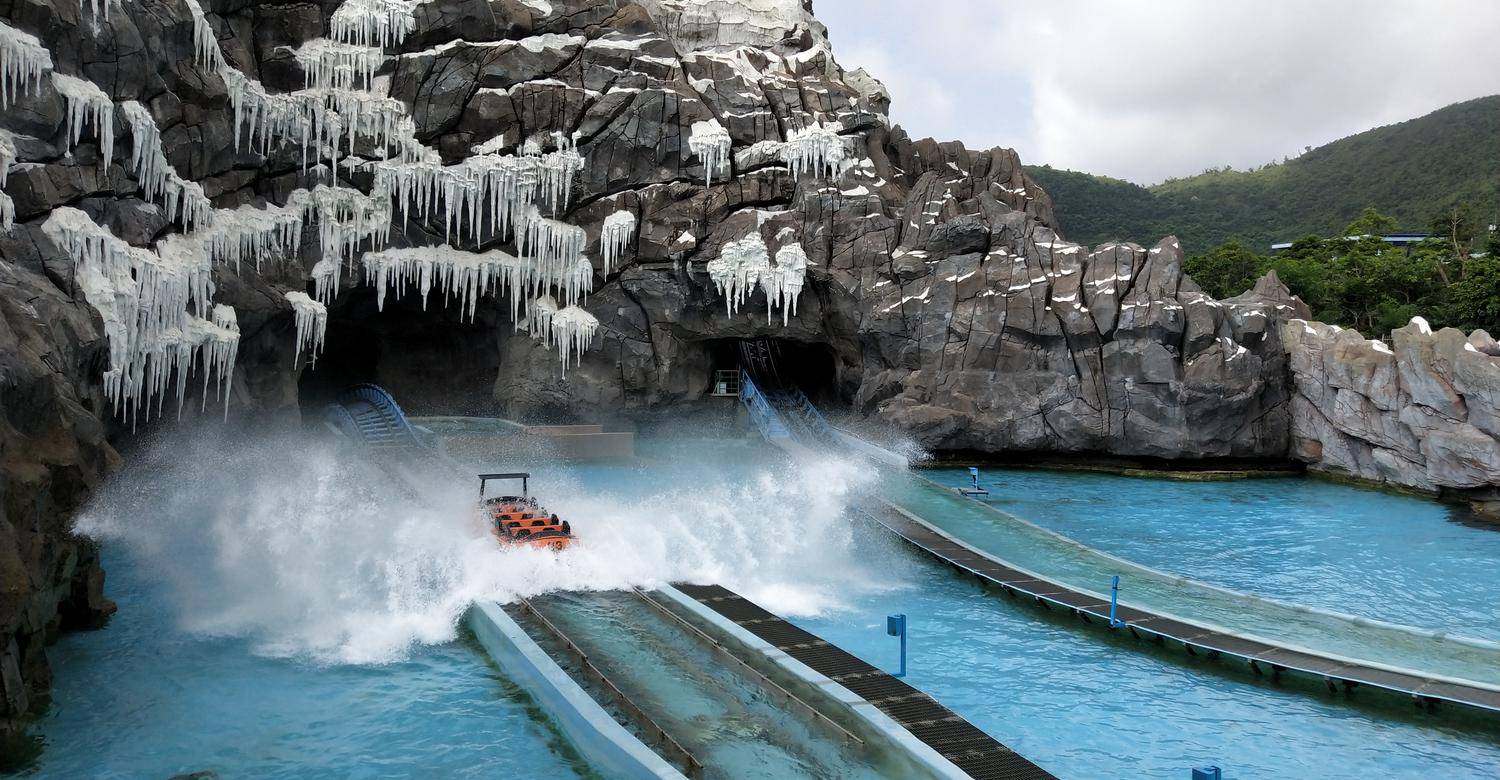
นักสำรวจขั้วโลก is the headline ride: a water coaster that threads the zone’s icy rockwork before a proper splashdown finale. It is tame by coaster standards, but the drop is real and the splash is honest — this is the ride most likely to leave you damp enough to want the ¥20 poncho sold across the park. Queues are shortest during theatre show times and in the first hour after opening. Our Polar Explorer guide has the detail, and the park-wide soak ratings live in our thrill rides guide.
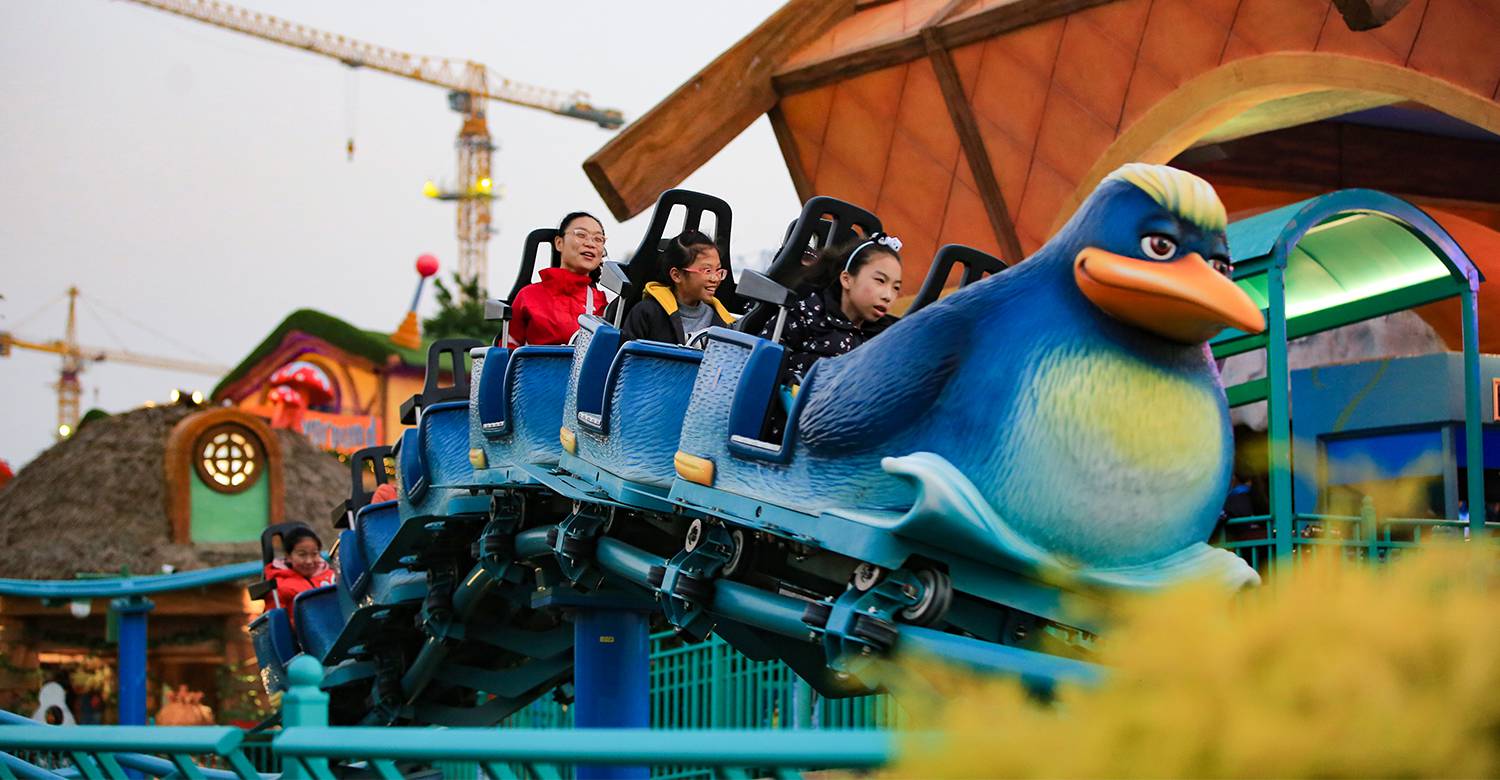
The other two rides serve the younger end of the family. ที่รองแก้วรูปเพนกวิน is a gentle family coaster that makes a brilliant first big ride — enough lift and curve to feel brave, nothing that ends in tears. Polar Go-Round is an arctic-themed carousel that the under-fives will happily ride four times in a row. Both build short queues in the afternoon; ride them while the big halls are at their busiest and you will rarely wait more than a few minutes. We cover them separately in our Penguin Coaster guide และ Polar Go-Round guide.
🧾 The Three Exhibits at a Glance
Here is how the zone’s three headline exhibits compare when we are planning a visit. It is the cheat sheet we wish we had on our first trip, and it pairs with the visiting order at the end of this guide. The show times in the third row are the recent typical pattern, not a guarantee.
| Exhibit | Stars of the show | Don’t miss | Indoor? |
|---|---|---|---|
| นิทรรศการเพนกวิน | Emperor and Adélie penguins | The sunken viewing glass, as a penguin torpedoes past | Yes — the coldest hall in the park |
| นิทรรศการหมีขั้วโลก | Polar bears | The underwater window, if a bear swims overhead | Yes, with an outdoor yard |
| Beluga habitat and Beluga Theatre | Belugas | The show — recent typical times 11:00 / 14:00 / 17:45 (verify daily) | Habitat yes; theatre is a shaded open-air stadium |
Notice the pattern: all three exhibits are indoors, all three double as climate control, and the theatre is the only part of the zone where timing is forced on you. Everything else can float around the show schedule. That is also why the packing note below matters more here than anywhere else in the park.
🧊 The Cold Is Real: What to Wear Inside
The polar halls are kept at roughly 20–22 °C year-round, and after half an hour outside in July — when Zhuhai pushes past 30 °C and dripping humid — that contrast starts to bite, especially for children fresh off Polar Explorer with wet shoulders. Bring a thin, foldable layer even in midsummer; we keep one in the daypack from June to September and are never sorry. In winter the outside air often matches the halls anyway, so the jacket you already wear is enough.
The flip side is strategic rather than sartorial: on the hottest or wettest days, Polar Adventure is exactly where you want your midday hours. We have happily whiled away a two-hour thunderstorm between the penguin hall and the beluga stadium, which is one reason the park stays enjoyable through the wet season — the full month-by-month picture is in our best-time-to-visit guide. Winter visitors get the best of both: the halls feel crisp rather than arctic, and the outdoor stretches between them are genuinely pleasant in the October-to-April window.
One more layer-related honesty: the transition itself is the shock. Going from a 30 °C promenade into a 20 °C hall feels great for ten minutes and clammy after thirty, especially if you are carrying a child who has fallen asleep against your neck. If your party includes babies, add that layer for them even if you skip it yourselves, and plan a warm-up lap outdoors between the second and third halls.
💡 Tip: pack one thin foldable layer plus a ¥20 poncho and you are covered for both halves of the zone’s personality — the 22 °C halls and the splashdown on Polar Explorer.
👶 The Best Visiting Order and Kid Tips
After a good deal of experimentation, our default order is this: enter the zone from the Ocean Wonders side in the early afternoon, ride Penguin Coaster and Polar Go-Round first while the queues are short, then the penguin hall, then polar bears, then finish with whichever beluga show fits — usually the 14:00. On a morning schedule, flip it: beluga at 11:00, then the two halls as crowds drift to lunch. Either way, treat the zone as a two-to-three-hour block rather than a drive-by; it rewards lingering.
With small children, three habits pay off. Give each hall a defined front-row moment — the sunken penguin window and the bear’s underwater glass both reward kneeling kids — and take turns so little ones get an unobstructed view. Park the stroller where staff indicate; the halls are tight in places, and strollers can be rented park-wide if you did not bring one. And keep hall visits short with warm-up breaks between: the cold that feels bracing to adults can flatten a tired toddler fast. Our family guide covers the whole park through a kid-sized lens.
Finally, a note on the evening version of this zone. The 17:45 beluga show in most seasons runs close to sundown, and the halls are at their emptiest in the last hour before the park’s nightly finale pulls everyone toward Hengqin Sea. If you have already claimed a fireworks spot or simply do not care about the lake that night, an early-evening polar loop — one ride, two halls, one show — is the quietest, most atmospheric version of the zone we know. You will share the penguin window with a handful of locals instead of a wall of phones, and the cold walk back out feels earned rather than punishing.
And if you still have arctic appetite left, the theming keeps going after you exit. Walrus Island and the sea lion habitats on the Mt. Walrus side sit within a few minutes’ walk of the beluga stadium, and they make a natural wind-down loop while you digest the halls — different animals, open air, and usually a bench with a view. It rounds off the zone the way the designers clearly intended: cold halls first, sea air after.
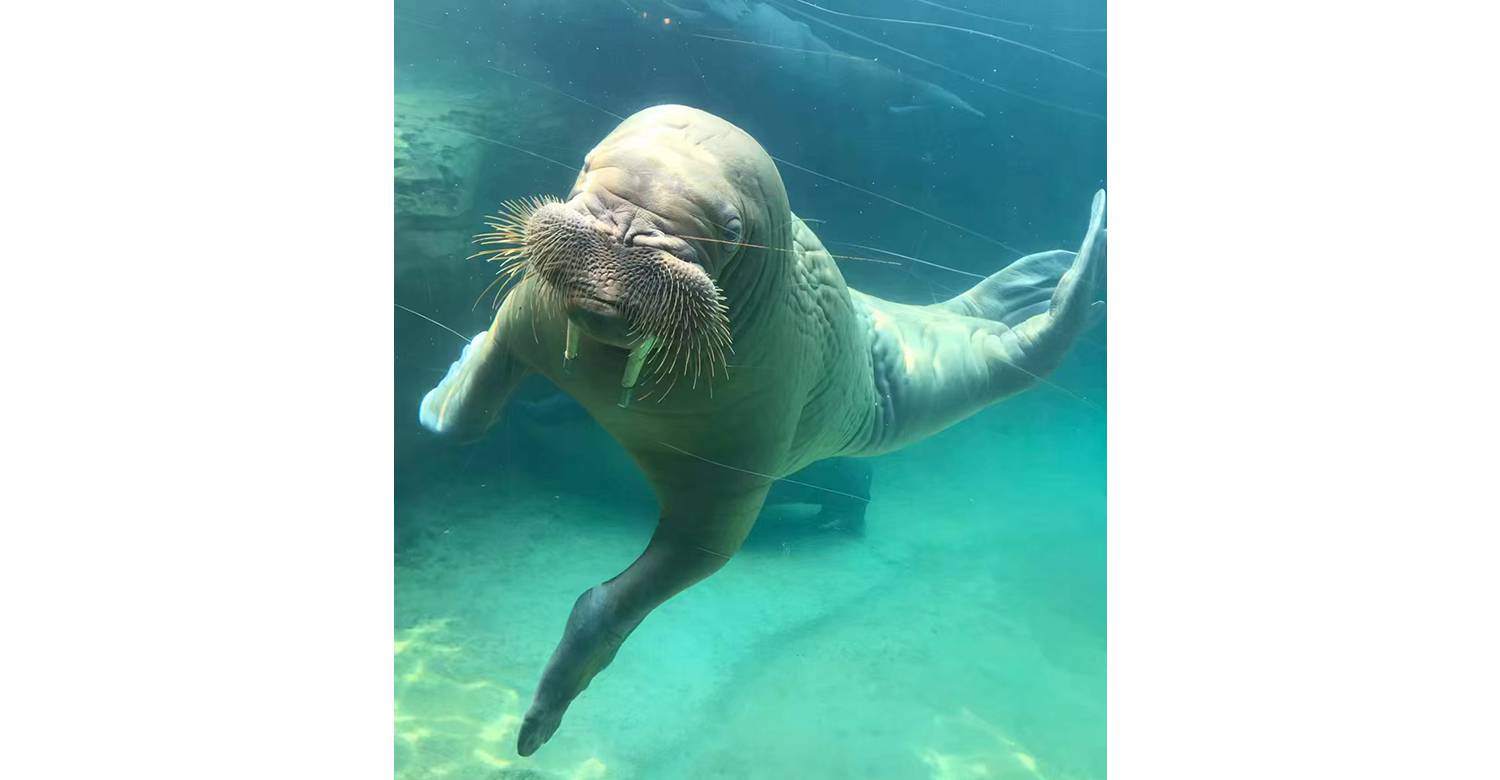
💡 Tip: shooting through the glass works best with the lens pressed flat against the acrylic, flash off and the exposure dragged down slightly — the blue gloom is what makes a penguin shot look deliberate instead of grainy.
❓ Frequently Asked Questions
Is Polar Adventure included in the normal park ticket?
Yes. Every exhibit, ride and theatre inside Polar Adventure — the penguins, polar bears and belugas, plus Polar Explorer, Penguin Coaster and Polar Go-Round — is covered by standard one-day admission. The only extras in this zone are food, merchandise and premium experiences such as the Beluga Encounter, which is booked and paid separately.
How cold are the polar halls, really?
Expect roughly 20–22 °C inside the penguin, polar bear and beluga halls all year. That feels wonderful for ten minutes and chilly after half an hour, particularly on wet clothing after a water ride. A thin foldable layer is the single best thing you can carry into this zone, even at the height of summer, and gloves-level winter gear is unnecessary.
What time are the beluga shows?
Recent typical schedules run the Beluga Theatre at 11:00, 14:00 and 17:45. But showtimes shift with the season, weather and crowd levels, and the park does not guarantee them in advance. Check the official app or the boards at the stadium when you arrive, and treat any printed schedule — including ours — as a starting point to verify on the day.
Can young children ride Penguin Coaster and Polar Go-Round?
Polar Go-Round is a gentle carousel that even toddlers can enjoy alongside an adult, and Penguin Coaster is one of the park’s classic first coasters. Both apply ride-specific height and age rules that the park updates from time to time, so check the signage at each ride entrance on the day rather than relying on third-party lists. Staff measure at the queue whenever there is doubt.
Is the Beluga Encounter worth the extra cost?
If a beluga is your child’s favourite animal, very likely yes — the encounter runs about twenty to thirty minutes, typically starting around 15:00, with small groups and real hands-on time. Guests must be at least five years old, and children aged five to twelve are joined by one accompanying parent free of charge. Book ahead through the official app or on site, because sessions are limited; if nobody in your group cares about belugas, spend the money elsewhere.