✍️ By the ChimelongOceanKingdom.com Team — Zhuhai theme-park writers and repeat visitors · 🗓️ Last updated: November 2026 · ⏱️ ~11 min read
Ask us when to visit Chimelong Ocean Kingdom and we will give you a date, not a shrug: a weekday in late November. After visits in every season — including a typhoon-adjacent August and a gloriously empty December — we have learned that Zhuhai’s subtropical marine climate splits the year into two very different parks. One is mild, dry and walkable; the other is hot, wet and survivable with a plan. With an annual average temperature of about 22.3 °C, this coast never truly freezes, but humidity, rain and crowds swing wildly month to month.
This guide lays out the whole year: a month-by-month climate table, the golden window we book our own trips into, a survival playbook for summer, the crowd calendar driven by Chinese holidays, and an honest section on typhoons. If you are still shaping the trip itself, start with our ultimate guide, then come back here to pick the date.
🌡️ Zhuhai’s Climate in One Table
Zhuhai sits on the Pearl River Estuary, close enough to the tropics that winter is a suggestion rather than a season. Rain concentrates between April and September, with the wettest stretch from June to August carrying roughly 90 percent of the year’s total between May and October. Here is the month-by-month picture we use when planning:
| Month | Typical temps | Rain | Our verdict |
|---|---|---|---|
| January | ≈18 / 12 °C | ≈20–25 mm | Dry, cool and quiet — bring a light jacket |
| February | ≈19 °C days | Low | Mild and dry, but check Lunar New Year dates |
| March | ≈22 °C days | Picking up | Warm spring shoulder season; showers return |
| April | Warm, humid | ≈140–145 mm | Wet season begins; keep indoor backups ready |
| May | Hot, humid | Heavy | Soakings are routine; mornings are your friend |
| June | Hot | ≈235–240 mm | Peak rain begins in earnest; typhoon watch starts |
| July | ≈32 °C | Very heavy | Hottest stretch; park can run to about 21:00 |
| August | ≈32 °C | ≈250 mm — wettest | Air-conditioning is a strategy, not a luxury |
| September | Hot, humid | ≈180 mm, tapering | Storm-aware late summer; crowds ease after Golden Week |
| October | ≈28 °C | ≈71 mm | Warm and drying — but 1–7 October is Golden Week |
| November | ≈24 / 19 °C | ≈41 mm | Our favourite month: mild, dry, light queues |
| December | ≈20 / 14 °C | ≈33 mm | Cool, dry and festive; pack an evening layer |
Two notes on reading that table. First, high rainfall totals here usually mean intense but short afternoon downpours rather than all-day drizzle, so a wet month is not a washed-out month if you plan around the afternoons. Second, humidity makes the summer temperatures feel several degrees fiercer than the numbers suggest, while the dry winter air makes 20 °C feel crisp rather than cold. Neither is a reason to stay home — they are just scheduling inputs.
🍂 The Golden Window: October to April
Nearly every trip we plan for friends lands in this half of the year, and for good reason. October still feels like summer at around 28 °C but the rain drops to about 71 mm and the light turns golden; November is the statistical sweet spot, averaging around 24 / 19 °C with barely 41 mm of rain; December cools to a comfortable 20 / 14 °C with just 33 mm; and January and February are dry and mild, with January nights around 12 °C — jacket weather for an hour after sunset, nothing more.
Within that window, November and December are our pick for crowd reasons as much as weather ones. Chinese school holidays are over, the national holidays are months away, and a weekday in late November can feel like a private visit — walk-on coasters, front-row parade spots and quiet aquarium halls. Weekdays in these two months are, simply, the lightest crowds the park ever sees. Pair them with hotel early entry and you will ride more before lunch than most visitors manage all day.
The one big caveat is the first week of October: National Day Golden Week runs 1–7 October and turns the park into the busiest place in the region despite the lovely weather. If your only window is early October, go anyway but with a plan — our one-day itinerary is written to survive it — and expect peak ticket pricing of ¥450 per adult rather than the weekday ¥395, as our tickets guide explains.
January and February deserve their own honest note. Weather-wise they are excellent — dry, mild and uncrowded for most of their length — but Lunar New Year floats across them, and the eight days or so around it are among the busiest of the entire year, with firecracker-season hotel rates to match. Check the exact festival dates for your travel year before committing. Outside that burst, the winter light is soft, the air-conditioned halls feel genuinely chilly, and a light jacket earns its place in your daypack; gentle outdoor corners like the 潮汐池 are pleasant all morning without a hint of summer’s glare.
💡 Tip: target Tuesday to Thursday in November or December, and book the hotel package for the ~9:00 early entry. That combination — quiet week, dry season, empty first hour — is the single best value formula this park offers all year.

🌸 March and April: Warm Days, Building Rain
March brings spring back in earnest: days around 22 °C, blossoming landscaping and the first proper showers of the year. We rate it highly for travellers who want warmth without summer’s furnace — morning outdoor time is glorious, and the growing greenery photographs beautifully around the lake. April is warmer and noticeably wetter, opening the wet season at around 140–145 mm of rain, with humidity climbing week by week.
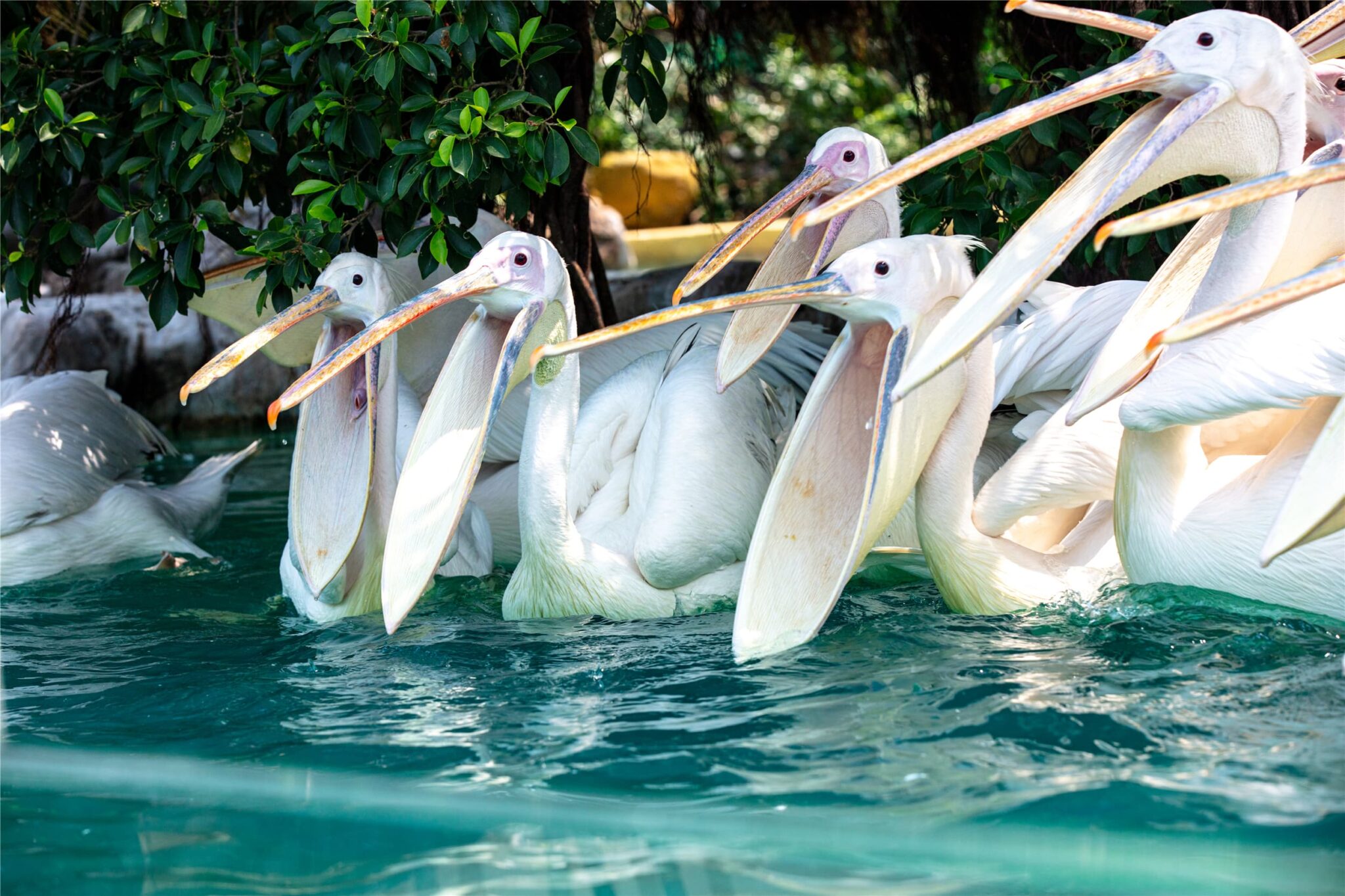
The strategy for both months is rhythm: do the outdoor rides and open-air habitats in the morning, then slide into the indoor halls and theatres when the afternoon clouds build. Open-air zones like Sea Bird Paradise are at their best in these months, with active birds and comfortable walking temperatures. Crowds are moderate — spring is a school term, so weekdays remain light outside the Qingming holiday period.
☀️ Summer Survival Playbook (June to August)
Summer is the season the brochures gloss over and families with school-age children cannot avoid. June brings roughly 235–240 mm of rain; July and August hover around 32 °C with stifling humidity; August is the wettest month of the year at about 250 mm. The park compensates where it can — in July and August it often runs to about 21:00 instead of the regular 20:00 close, stretching the cooler evening hours — but you should arrive with a heat plan, not hope.
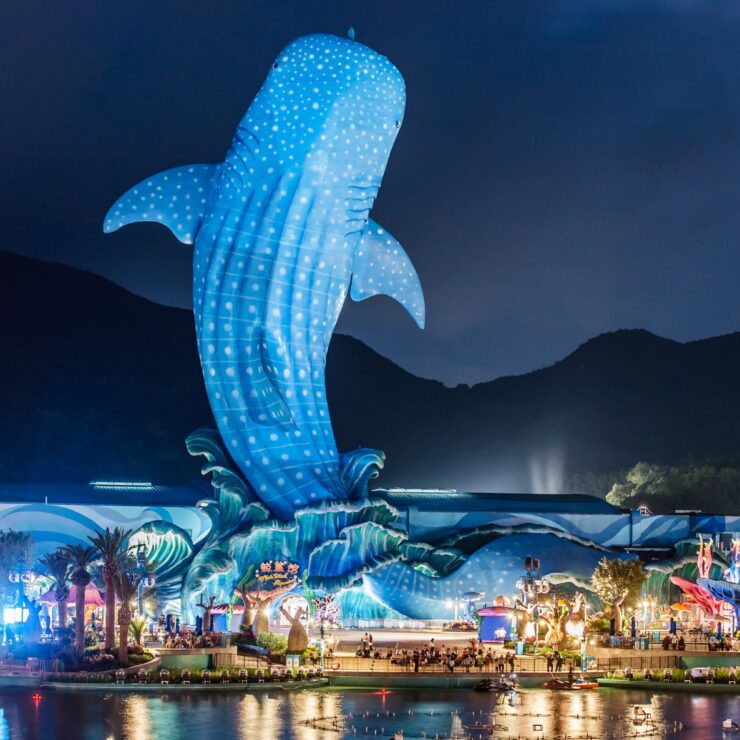
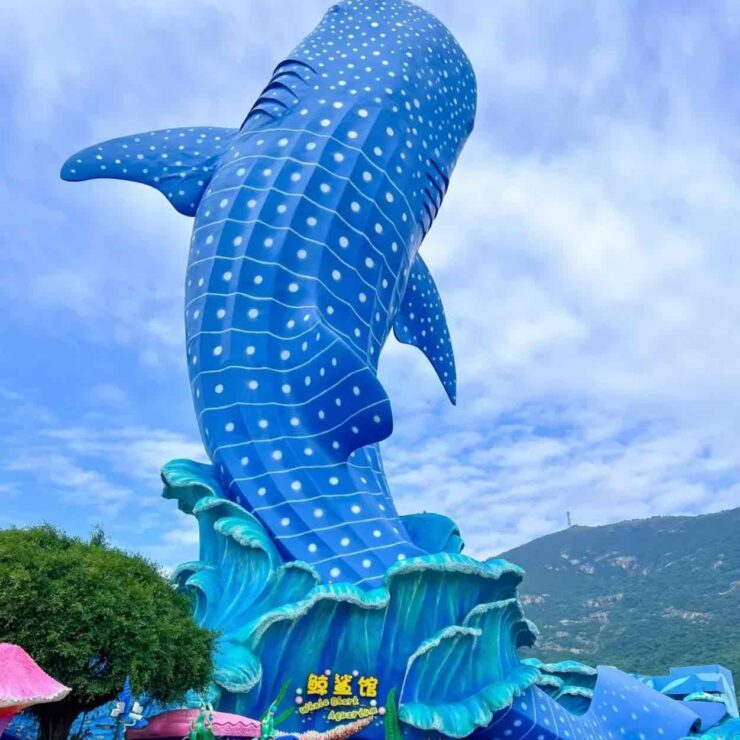
Our playbook, refined over several sweaty visits: arrive at or before opening (gates at 10:00, with zones opening between 10:00 and 11:00), do the outdoor headliners before noon, then treat the air-conditioned giants — the Whale Shark Aquarium, Polar Adventure, the 5D Castle Cinema and the animal theatres — as scheduled cooling breaks every couple of hours. Buy the ¥20 ponchos at the kiosks for water rides and downpours alike; they pay for themselves the first afternoon. Hydrate more than feels necessary and book lunch before 11:45 or after 14:00 to dodge the queue spike.
The payoff for all this discipline comes after dark: the night parade and the Symphony of the Ocean fireworks over Hengqin Sea land in the day’s only comfortable air, and the lakefront crowds thin after the littlest kids collapse. Families who leave at 6 pm because of the heat have, in our opinion, missed the best hour of a summer visit. For the full evening sequence, our shows and fireworks guide maps every slot.

💡 Tip: plan summer days around the three animal theatres and the aquarium as air-conditioned anchors — one show per block, with outdoor rides squeezed into the cool gaps between them. Kids stay fresh, queues feel shorter, and the 3 pm heat wave becomes a dolphin show instead of a meltdown.
🧧 The Crowds Calendar: Chinese Holidays Rule Everything
Weather shapes comfort, but holidays shape queues. The heaviest crowds of the year arrive predictably with Lunar New Year (late January or February, depending on the calendar), the May Day holiday in early May, National Day Golden Week from 1–7 October, and the entire July–August summer break. On those dates expect long waits for headline rides, packed theatres, peak ticket pricing and hotel rates at the top of the roughly HK$770–1,110 band we discuss in our hotels comparison.
The quiet side of the calendar is equally predictable: weekdays in November and December, followed by spring weekdays outside public holidays. If your dates are locked to a peak week, you can still save the day by arriving at opening, using early entry, and eating at off-peak hours — crowds concentrate at the same predictable points (gate at 10:00, lunch at 12:30, lakefront at 19:30) and simply routing around them transforms the experience. Booking covers and crowd tactics all live in our tickets and prices guide.
🌧️ Rain Plans and Typhoon Honesty
Let us be direct about typhoons, because most guides are not. Zhuhai’s typhoon season runs from June to October, with the highest risk from July to September. When a storm approaches, the park may close individual outdoor attractions first and, in a direct hit, the whole park for a day or more. We have watched a named storm empty the lakefront in ninety minutes flat — impressive and slightly unnerving.
The mitigation is simple: build flexibility into any June-to-September trip. Check the forecast daily, follow the park’s official channels — the app, mini-program and gate boards, all linked from the official chimelong.com site — for closure notices, avoid pre-paying for non-refundable extras on storm-watch days, and keep one itinerary day unassigned. Recovery is usually fast — the park reopens as soon as inspectors clear the rides, often the next morning.
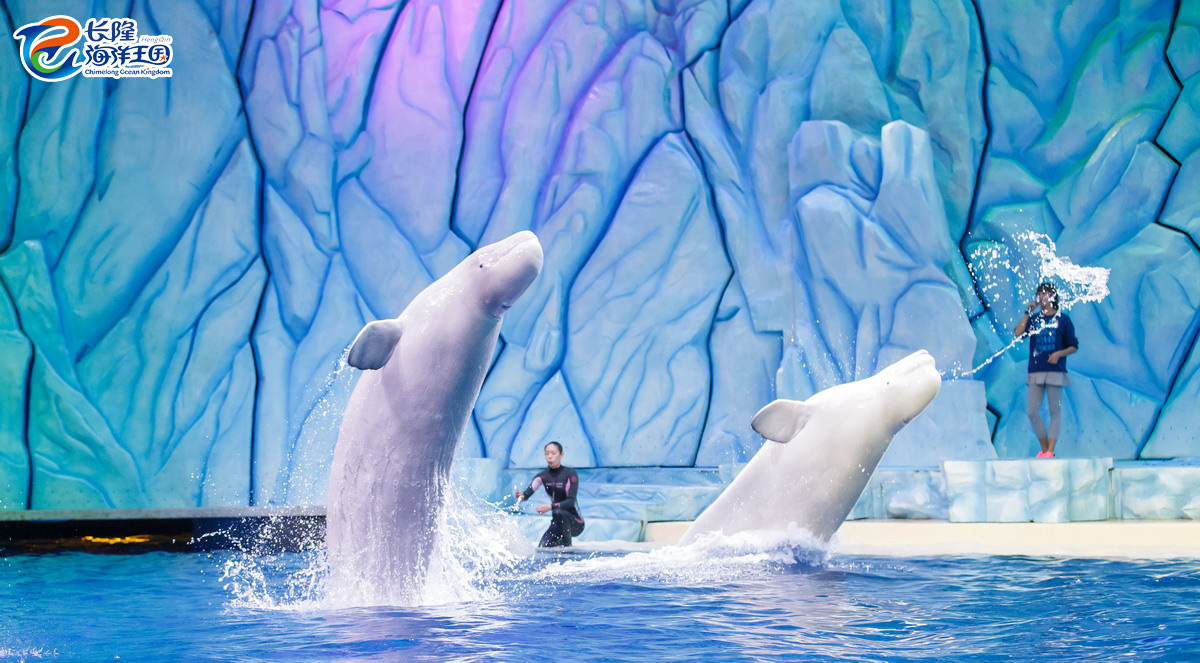
Ordinary rain, meanwhile, is a scheduling problem rather than a cancelled day. Downpours typically blow through in an hour or two; between them, the indoor halls — the aquarium, the polar buildings, the 5D cinema — and the covered theatres keep the day moving, and shows like the 白鲸剧院 run regardless of the sky. Pack the ¥20 poncho, accept damp shoes, and the wet season becomes perfectly workable.

🎆 Seasonal Events and Festivals
Beyond the permanent line-up, the park rotates seasonal festivals and exhibitions through the year — the seasonal jellyfish exhibitions are our favourite, turning the aquarium’s halls into glowing galleries that change with each program. Holiday periods add themed decorations, special parades and extended night programming, which is a genuine upside of visiting during busy weeks if you can stomach the crowds.
The honest caveat: the festival calendar changes year to year, and we will not pretend otherwise. Before booking around a specific event, verify the current program on the park’s official channels rather than on month-old blog posts — ours included. What stays constant is the core experience: the aquarium, the coasters, the parades and the roughly 8 pm fireworks over Hengqin Sea, which run in every season and are the reason this park earned its place as one of the most visited on Earth.
If events matter to you, let them pick the month rather than the reverse: lock the festival first on the official calendar, then choose weekdays inside that window, and you capture the special programming at a fraction of its peak-day crowds. That two-step — event first, weekday second — is the same approach we use for fireworks nights in our shows and fireworks guide. Wherever you land on the calendar, our itinerary and the rest of the guides on our Chimelong Ocean Kingdom hub will help you shape the day.
❓ Frequently Asked Questions
What is the cheapest and quietest month to visit?
Weekdays in late November and early December combine the year’s mildest weather with its lightest crowds, and they sit in the low season for both tickets and hotels. Adult tickets cost the weekday rate of ¥395 rather than the ¥450 peak price, and hotel rates drop to the bottom of the resort’s range. If you want the absolute quietest single days, aim for Tuesday to Thursday in those weeks and arrive before opening.
Is December too cold for the water rides?
Not for the park, honestly — December days average around 20 °C with about 33 mm of rain, which is perfect walking weather. You will probably skip the water rides unless the sun is out, since the spray gets chilly, and you will want a light layer for the evening fireworks and the air-conditioned indoor halls. For coasters, aquariums and shows, December is one of our favourite months of the year.
Is summer doable with kids?
Yes, with the playbook: arrive at opening, alternate outdoor rides with air-conditioned breaks in the aquarium, polar halls and theatres, buy the ¥20 ponchos, and stay for the evening parade and fireworks when the heat finally breaks. The park often runs to about 21:00 in July and August, which gives you a genuine cool-hours session. Families who fight the midday heat head-on suffer; families who schedule around it do fine.
What happens if a typhoon hits during our visit?
The park may close individual outdoor attractions first and, in stronger storms, close entirely for a day or more, reopening once inspections clear. Closure notices go out through the park’s official app, mini-program and gate boards, so check those channels rather than social media rumours. Build one flexible day into any June-to-September itinerary, keep bookings refundable where possible, and treat an indoor-park day at the adjacent Spaceship as your backup plan.
How many days do we need to beat the crowds?
Two days is the magic number. A two-day ticket costs about ¥750 for adults and ¥525 for children, less than two separate peak-day entries, and it lets you split priorities: headline rides and shows on day one, whatever the crowds blocked on day two, ideally with hotel early entry both mornings. In peak season especially, the second day is where the queues you skipped come back around at walk-on pace.